INOVIX / Insights

How much does an online store cost?

An online store has three kinds of cost: building it, what the platform and payments take every month and every sale, and the work of keeping products up to date. Here is what drives each of them, and how to compare quotes.

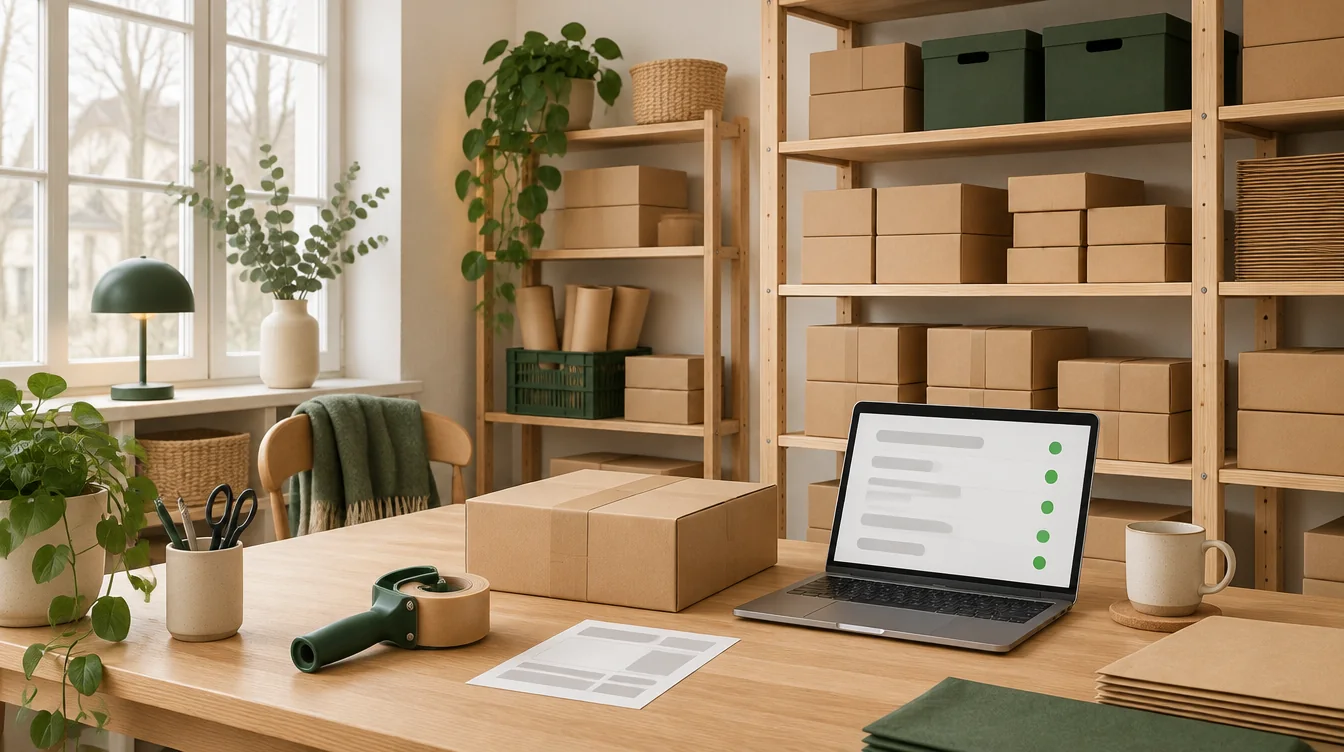
Illustration of a small stockroom with parcels and an order list on a laptop.
Design, engineering and automationGuide

Cost 1: building the store

What drives the price is the number of products and variants, how much of the design is made from scratch, and how many systems the store talks to. A Shopify store with a ready theme, twenty products and mobile pay is a small project. A store with a thousand items from a supplier file, separate prices for business customers and links to stock and accounting is a big one.

Ask for a quote that separates setup, design, product import and integrations. Then you see what you pay for, and what you can do yourself to lower the price, such as entering the products.

Cost 2: platform and payments

On Shopify you pay a fixed monthly fee, and part of each sale goes to payment processing. If you use a payment provider other than Shopify's own, Shopify may charge an extra fee per sale. Mobile pay and card acquirers charge per transaction too. Prices change, so check current prices with each provider before you decide, and work out the fees at the turnover you expect.

A custom store has no platform fee, but you pay for hosting and for the payment provider, such as Stripe, and someone has to keep the code up to date.

Cost 3: shipping, returns and upkeep

Shipping contracts, packaging and returns come on top and are often underestimated. So is the time it takes to add new products, answer customers and keep stock levels right. Ask the supplier what can be automated: shipping labels, orders into accounting and alerts when an item is about to sell out.

When does custom pay off?

When the store needs something the standard platforms do not do well: subscriptions with their own rules, products the customer configures, prices per business customer, or a store that is part of an app. Or when platform fees grow large enough that your own solution pays for itself. For most people starting out, Shopify is the sensible choice.

At INOVIX we give a fixed price for an online store after a short call. For comparison, a custom website without a store starts at NOK 19,900, and a simple integration with, for example, accounting at NOK 19,900, both excluding VAT.

A good place to start.

  • How many products and variants do you have?
  • What turnover do you expect in the first year?
  • Who adds products and answers customers?
  • Which systems should the store connect to?

Questions & answers

Is Shopify cheaper than a custom store?

Usually at the start, because much is ready-made. Over time it depends on turnover, fees and how many add-ons you pay for. Compare both with figures for two to three years.

Do we need Vipps?

Not formally, but many Norwegian customers expect it. If many purchases come from mobile, it should be there.

We use cookies

We use necessary cookies to make the site work, and analytics cookies (Google Analytics) only if you accept. Learn more

How much does an online store cost? Every cost explained | INOVIX